
"Toro Town"
8530 article(s) found

Introduction to the planting environment of Ugandan boutique coffee beans with delicate taste
According to the 1942 Constitution, Uganda adopted a federal system after its independence, and the kingdoms of Buganda, Bunioro, Toro and Ancole, as well as the Busoga Special District, were all members of the Federation. The people's Congress Party and the Kabakayeka Party form a coalition government, with Milton Obote, chairman of the people's Congress Party, as prime minister, and King Mutsa II of Buganda as president. The bipartisan alliance broke down in 1964

The flavor and taste of Ugandan coffee with extremely light aroma introduction to the characteristics of boutique coffee in manor area
The people of all parts of Uganda resisted the British aggression tenaciously. In 1893, Britain sent troops to occupy the Kingdom of Bunioro, and King Kabarega led some of the people to wage guerrilla warfare for six years. In 1897, King Mwaanga of Buganda raised his army against Britain and later joined Kabarega in the Rango region. In April 1899, the two kings were captured and the uprising failed. To make it easier to rule

The flavor and taste of Ugandan coffee beans the characteristics of the manor producing area introduce the fine coffee beans of Uganda
The people of all parts of Uganda resisted the British aggression tenaciously. In 1893, Britain sent troops to occupy the Kingdom of Bunioro, and King Kabarega led some of the people to wage guerrilla warfare for six years. In 1897, King Mwaanga of Buganda raised his army against Britain and later joined Kabarega in the Rango region. In April 1899, the two kings were captured and the uprising failed. To make it easier to rule

According to the coffee producing area of Panama, Bogut of Panama has the most unique coffee butterfly in the world.
For the exchange of professional baristas, please follow the coffee workshop (Wechat official account cafe_style) our coffee beans are produced in the Republic of Panama, a small strip connecting North and South America. Panama is located 9 degrees north of the equator with the Panama Canal. Our Panamanian coffee bean farm is located in the highlands of Chiriki province, in a place in western Panama.
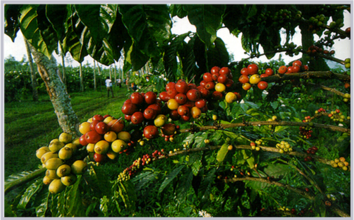
World Coffee Estate: Finca Loma La Gloria La Gloria. About the Manor
Finca Loma La Gloria Manor Bean Seed: Red Bourbon De Agustin Processing: REPOSADOWASHEDSUNDRY Dry Fermentation Washing Natural Drying Cup Cupping Chocolate, red apple, nice body and aftertaste, bold El Vola

Panamanian Poket boutique coffee details what is the quality of Panamanian Rosa coffee beans?
Although Panama has been growing coffee since the early 20th century, over the past 20 years, the country has been known only for producing high-quality coffee. Today, thanks in large part to the success of the geisha breed, Panama is famous for producing high-quality coffee and is sought after by bakers, buyers and competing baristas around the world. The Panamanian producing area is located in the large
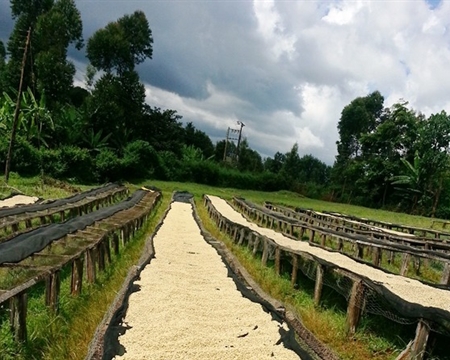
Single Central and South American coffee beans recommend Colombia Brazil Panama coffee which tastes good?
Central America generally refers to the strip of central America south of Mexico and north of the Panama Canal, also known as the Central American Isthmus, including Guatemala, Belize, El Salvador, Honduras, Nicaragua, Costa Rica and Panama, all of which produce coffee. There is also a way to divide the Caribbean and the island states of the West Indies

Comparison of roasting degree of Ugandan coffee beans flavor description and taste of producing area
The roasting degree of Ugandan coffee beans the flavor description of the producing area tastes like people all over Uganda have tenaciously resisted the British invasion. In 1893, Britain sent troops to occupy the Kingdom of Bunioro, and King Kabarega led some of the people to wage guerrilla warfare for six years. In 1897, King Mwaanga of Buganda raised his army against Britain and later joined Kabarega in the Rango region. 1899

Introduction to the production area of grinding scale for the quality characteristics of Uganda coffee beans by taste and flavor description treatment
After the first World War, Ugandan people's long-standing dissatisfaction with colonial rule finally broke out. A national general strike and rural riots broke out in 1918. In 1919 Buganda launched a democratic movement under the leadership of the Bataka Party and the African Farmers' Union of Uganda. In 1921, Uganda's first national political party, the Ugandan National Congress Party, was established.

Introduction of special sweet Panamanian boutique coffee bean manor producing area flavor and taste variety
According to the statistics of the Food and Agriculture Organization of the United Nations, the coffee production in this country is 10100 tons, accounting for about 2013 of the world's production. [8] this is a yield of 4509 hectograms per hectare planted on an area of 22400 hectares (55000 mu). [8] Coffee production statistics period from 1961 to 2015 indicates a low of 1961 1985 1422 tons, 510 tons and 2014 tons. [9] is called

Flavor description of Ugandan coffee boutique coffee beans introduction to the taste of producing areas
The people of all parts of Uganda resisted the British aggression tenaciously. In 1893, Britain sent troops to occupy the Kingdom of Bunioro, and King Kabarega led some of the people to wage guerrilla warfare for six years. In 1897, King Mwaanga of Buganda raised his army against Britain and later joined Kabarega in the Rango region. In April 1899, the two kings were captured and the uprising failed. To make it easier to rule

Introduction of extraction time grindness treatment method for producing characteristics of Ugandan coffee beans
The people of all parts of Uganda resisted the British aggression tenaciously. In 1893, Britain sent troops to occupy the Kingdom of Bunioro, and King Kabarega led some of the people to wage guerrilla warfare for six years. In 1897, King Mwaanga of Buganda raised his army against Britain and later joined Kabarega in the Rango region. In April 1899, the two kings were captured and the uprising failed. To make it easier to rule

Introduction of high-quality coffee beans in Uganda coffee flavor and taste manor producing area
In the 1870s, British colonists attempted to annex all parts of Uganda, which was thwarted by the Kingdom of Buniolo. At the end of the 1970s, the Anglo-French Christian Church went to the Kingdom of Buganda to preach. They interfered in politics and caused sectarian strife. Years of war led to the rapid decline of the Kingdom of Buganda and the people of all parts of Uganda tenaciously resisted the British aggression. In 1893, Britain sent troops to occupy Bunio.

Introduction to the method of taste treatment in the producing area of Uganda coffee flavor description grinding scale
Uganda Coffee Flavor description Grinding scale Variety production area Taste treatment method introduction in the late 1920s, the United Kingdom carried out constitutional reform with the goal of autonomy in Uganda. At the end of 1931, three major political parties were formed in Uganda: the Ugandan people's Congress Party, the Democratic Party and the Kabakayeka Party. In March 1931, Uganda held its first general election. The Democratic Party won and Benedict Kiwanuka was appointed.

Introduction to the characteristics of Uganda Fine Coffee Bean Flavor and Taste Manor
The people of all parts of Uganda resisted the British aggression tenaciously. In 1893, Britain sent troops to occupy the Kingdom of Bunioro, and King Kabarega led some of the people to wage guerrilla warfare for six years. In 1897, King Mwaanga of Buganda raised his army against Britain and later joined Kabarega in the Rango region. In April 1899, the two kings were captured and the uprising failed. To make it easier to rule

Introduction to the characteristics of fine coffee beans in Uganda coffee flavor and taste manor area
After the first World War, the long-standing dissatisfaction of the Ugandan people with colonial rule finally broke out. A national general strike and rural riots broke out in 1918. In 1919 Buganda launched a democratic movement under the leadership of the Bataka Party and the African Farmers' Union of Uganda. In 1921, Uganda's first national political party, the Ugandan National Congress Party, was established and proposed the implementation of universal suffrage.

Flavor description of Ugandan coffee bean taste graded production area introduction of taste variety manor
Ugandan coffee beans taste graded regional flavor description taste variety manor introduces the tenacious resistance of people all over Uganda to British aggression. In 1893, Britain sent troops to occupy the Kingdom of Bunioro, and King Kabarega led some of the people to wage guerrilla warfare for six years. In 1897, King Mwaanga of Buganda raised his army against Britain and later joined Kabarega in the Rango area.

Introduction to the characteristics of Ugandan Coffee Flavor Manor with thick and low acidity
The people of all parts of Uganda resisted the British aggression tenaciously. In 1893, Britain sent troops to occupy the Kingdom of Bunioro, and King Kabarega led some of the people to wage guerrilla warfare for six years. In 1897, King Mwaanga of Buganda raised his army against Britain and later joined Kabarega in the Rango region. In April 1899, the two kings were captured and the uprising failed. To make it easier to rule

The flavor and taste of Ugandan coffee the characteristics of fine coffee beans in the manor area introduce Ugandan coffee.
In 1890, British troops invaded Buganda. Captain Frederick Frederick Lugard, the agent of the Royal British East Africa Company (later Governor of Hong Kong Luigi), forced King Mwaanga of Buganda to sign protection treaties with him twice. In June 1894, the British government signed the New Testament with Buganda, and Buganda officially became a British protectorate. Then, in 1896, Britain extended its protection to Ukraine

The unique flavor of Ugandan coffee taste introduction to the characteristics of fine coffee in manor area
The people of all parts of Uganda resisted the British aggression tenaciously. In 1893, Britain sent troops to occupy the Kingdom of Bunioro, and King Kabarega led some of the people to wage guerrilla warfare for six years. In 1897, King Mwaanga of Buganda raised his army against Britain and later joined Kabarega in the Rango region. In April 1899, the two kings were captured and the uprising failed. To make it easier to rule